Crusty Crafter: A Quirky Font for Creative Projects
It started with a blank brand board and a client looking for something that felt approachable yet memorable. They wanted a visual identity that reflected their small, family-run café’s cozy vibe and fresh, handmade pastries. I opened up my font library and scrolled through the usual suspects—sans serifs, modern slab fonts, and clean scripts—but nothing quite captured the warmth they were after. That’s when I stumbled on Crusty Crafter.
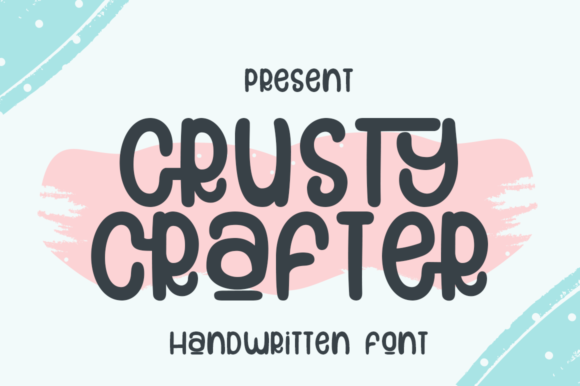
At first glance, it looked like a playful, almost whimsical typeface. But as I played around with it on a logo draft, I realized how much personality it had. The slightly uneven strokes and soft curves gave it a handcrafted feel, like it had been drawn by someone with a pen and a smile. It wasn’t just cute—it had a distinct voice that could carry a brand’s story without being too loud or overwhelming.
Visual Characteristics and Personality
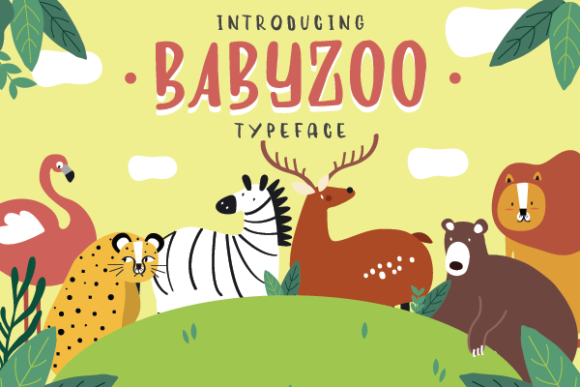
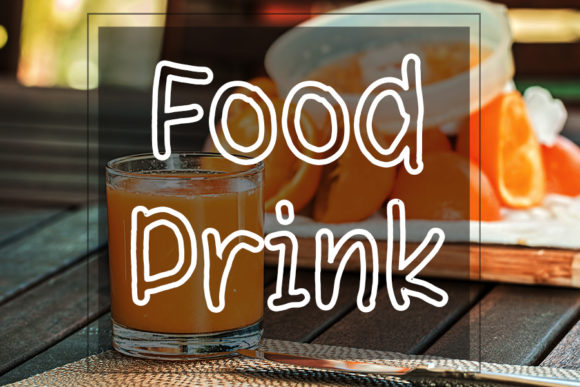
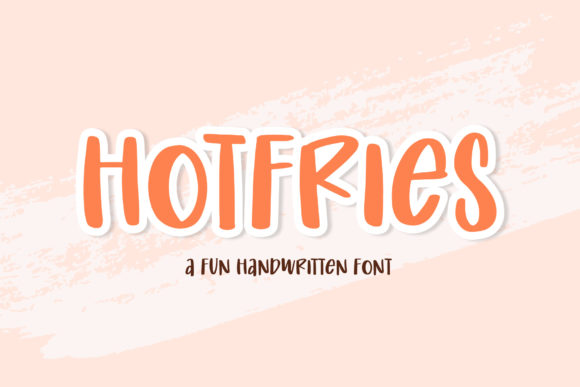
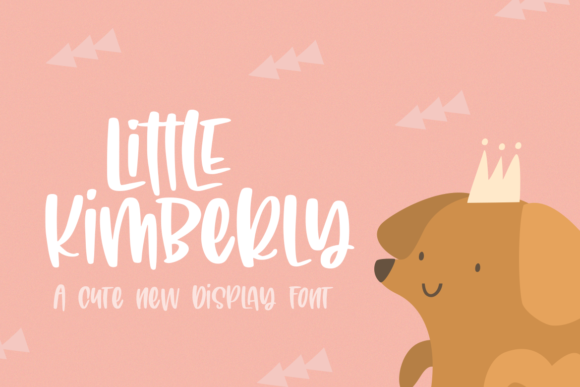
Crusty Crafter has a casual, almost artisanal aesthetic. It’s not the kind of font you’d use for a corporate report or a technical manual. Instead, it thrives in spaces where creativity and charm are key. The letterforms have a gentle, uneven texture that suggests hand-drawn origins, which makes it perfect for projects that want to feel personal and authentic.
The font’s mood is light and cheerful, with a subtle edge that keeps it from feeling too childish. It balances sweetness with a bit of character, making it ideal for brands that want to feel friendly but still professional. Whether it’s a café name, a product label, or a social media headline, Crusty Crafter adds a touch of warmth that can make a design feel more inviting.
Real-World Design Applications
I tested Crusty Crafter on several elements of the café’s brand system. On a shop sign, it felt right at home, giving the storefront a welcoming, homemade look. On a business card, it added a personal touch without being hard to read. Even on a product label, where clarity is important, the font held its own, especially when paired with a simpler sans serif for subtext.
When used in packaging design, Crusty Crafter brought a sense of fun and individuality. It worked well on sticker designs and small print pieces, where its quirky nature didn’t get lost in the details. In digital spaces, like website headers or Instagram posts, it stood out as a bold, eye-catching choice that complemented the café’s visual language.
Readability and Brand Perception
One of the first things I considered was how readable Crusty Crafter would be in different sizes and contexts. While it’s a display font and not meant for long blocks of text, it works well in short-form applications like headlines, logos, and captions. Its legibility improves when paired with a more neutral typeface, which helps maintain visual balance without sacrificing style.
From a branding perspective, Crusty Crafter helped reinforce the café’s identity as a place that values craftsmanship and community. Its unique character made the brand feel more human, which is essential for businesses that rely on emotional connections with their audience. It also contributed to a consistent visual language across all materials, from printed menus to digital ads.
Best Uses for Crusty Crafter
As a display font, Crusty Crafter shines in situations where it can be the focal point. It’s great for logos, headlines, and decorative elements that need to stand out. However, it’s not ideal for body text or anything that requires high readability over long distances.
When used as an accent font, it can add a playful contrast to more traditional typefaces. For example, pairing it with a classic serif font on a menu or brochure gives the design a balanced, layered feel. Similarly, using it alongside a clean sans serif in web design can create a dynamic visual hierarchy that guides the viewer’s attention effectively.
Practical Tips for Testing and Using the Font
Before committing to Crusty Crafter for a full brand system, I recommend testing it in various formats. Print it on mockups, use it in digital layouts, and see how it looks in different lighting conditions. This helps ensure that it works well in real-world scenarios and doesn’t lose its appeal under different settings.
Also, check the font’s available styles, alternates, and ligatures. These features can give you more flexibility in how you use it and help avoid repetition in your designs. If the font includes multilingual support, that’s a bonus, especially if the brand plans to expand beyond English-speaking markets.
Font Pairing and Design Integration
Pairing Crusty Crafter with other fonts can enhance its impact. A simple, modern sans serif can provide a clean backdrop that lets the display font shine. A script or handwritten font might work well for more expressive elements, like taglines or social media captions. Just be mindful of contrast and legibility to keep the overall design cohesive.
In editorial design, Crusty Crafter can be used for section headings or pull quotes, adding a lively energy to otherwise static layouts. In packaging, it can serve as a highlight on product names or special offers, drawing attention without overpowering the rest of the design.
Commercial Use and Licensing
For designers working on client projects, it’s important to verify the licensing terms of Crusty Crafter. Make sure it’s suitable for commercial use, especially if the font will be part of a brand’s assets that are sold or distributed. Some fonts come with restrictions on resale or modification, so understanding these details upfront can save time and confusion later.
When incorporating Crusty Crafter into design assets, consider how it will be used across different platforms. Whether it’s for a website, a printed brochure, or a social media campaign, ensuring the font is properly licensed and formatted helps maintain professionalism and avoids legal issues.
Overall, Crusty Crafter is a versatile and charming addition to any designer’s toolkit. Its unique personality makes it ideal for brands that want to stand out while maintaining a warm, approachable image. Whether it’s for a café, a boutique, or a creative studio, this font can bring a sense of joy and authenticity to any project.